South of Somewhere by T. I. Lowe: What Readers Are Saying About the 2026 Christy Book of the Year

A Moving Story of Second Chances, Imperfect People, and the Healing Power of Grace
What makes a novel worthy of Christian fiction's highest honor?
In 2026, South of Somewhere by T. I. Lowe received the Christy Award for Book of the Year, along with the award for General Fiction. But long before the winners were announced, readers and reviewers were responding to this emotional story about addiction, forgiveness, family, and finding the courage to begin again.
Lowe is known for writing heartfelt Southern fiction that doesn't shy away from difficult subjects. And South of Somewhere may be one of her most thought-provoking novels yet.
So what are readers saying about this award-winning book? We explored professional reviews, endorsements from fellow authors, Christian fiction blogs, and everyday reader reactions to discover what makes South of Somewhere such a memorable story.
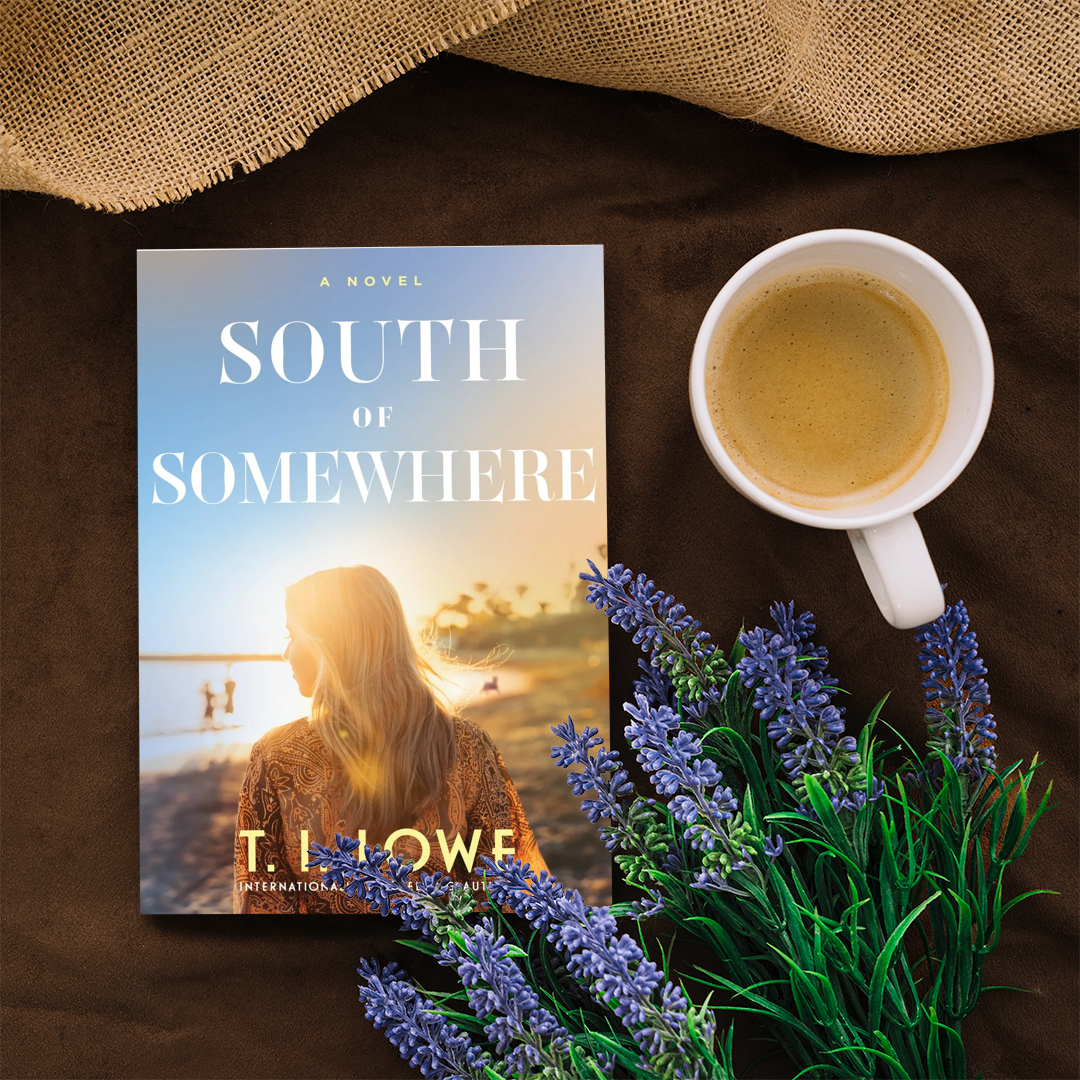
Available at christianbooks.today
What is T. I. Lowe's novel South of Somewhere about?
South of Somewhere follows Juniper “Junie” Wilder, a woman attempting to rebuild her life after a period of grief and addiction. Following a drunk-driving arrest, incarceration, and rehabilitation, Junie has lost custody of her young daughter, Fern, who is now living with Junie's brother.
After completing rehab, Junie moves into her late grandmother's beach house on Sullivan's Island, South Carolina. There, she begins the difficult process of establishing a stable life while working toward the possibility of reuniting with her daughter.
Her efforts are complicated by strained family relationships, financial uncertainty, and the ongoing challenges of maintaining sobriety. Her brother remains skeptical of her recovery, and Junie struggles with both the consequences of her past decisions and her own feelings of guilt.
As she adjusts to life on Sullivan's Island, Junie develops relationships with several people who become important to her recovery, including Gilbert, her seventy-three-year-old sponsor and probation officer, members of a local recovery group, and her neighbor Henry.
The novel follows Junie's efforts to regain stability, rebuild trust, and navigate the complicated relationships surrounding her recovery, while exploring themes of forgiveness, faith, family, and second chances.
What critics and fellow authors are saying about the 2026 Christy Awards Book of the Year
Professional reviewers have praised South of Somewhere for its emotional depth, nuanced characterization, and compassionate exploration of addiction and recovery.
In its review of the novel, Publishers Weekly observes: “Lowe’s character work is nuanced, and she excels at depicting the unglamorous, day-to-day grind of recovery.”
The publication particularly appreciates the author's attention to the ordinary, difficult work of recovery, describing the novel as a moving testament to the importance of community.
Fellow Southern fiction authors are equally enthusiastic. Joy Callaway, international bestselling author of Sing Me Home to Carolina, calls South of Somewhere Lowe's "best book yet.”
Callaway praises the complex family relationships, vibrant community, romance, and healing that characterize Lowe's Southern storytelling.
Donna Everhart, USA Today bestselling author of When the Jessamine Grows, says the novel is “written with humor, empathy, and a generous dose of Southern charm.” Everhart also highlights its timely message of resilience and hope.
Together, these professional assessments suggest that the novel's greatest strengths lie in its characterization, emotional honesty, and ability to explore difficult subjects without sacrificing warmth or hope.

South of Somewhere by T. I. Lowe
Juniper “Junie” Wilder has lost almost everything.
After grief sends her spiraling into addiction, a drunk-driving arrest leads to jail, rehabilitation, and the devastating loss of custody of her young daughter, Fern.
Now sober and determined to rebuild her life, Junie returns to her late grandmother's beach house on Sullivan's Island, South Carolina. But starting over is anything but simple.
Her brother, who has custody of Fern, isn't eager to forgive her past mistakes. Finding work, rebuilding relationships, and resisting temptation are daily struggles. And Junie herself isn't always convinced she deserves another chance.
Fortunately, help comes from unexpected places: a seventy-three-year-old sponsor who isn't afraid to offer tough love, a colorful recovery community, and a handsome neighbor who sees more in Junie than her mistakes.
As Junie works toward the future she desperately wants, she must confront a painful question: Can someone who has made so many mistakes truly become a new person?
What everyday readers and reviewers are saying about South of Somewhere
Across Goodreads and other reader-review communities, many readers describe becoming deeply invested in Junie's struggle to rebuild her life.
They frequently praise the emotional storytelling, memorable supporting characters, and the way Lowe balances heartbreak with humor and hope.
Some readers are particularly moved by Junie's determination to regain custody of her daughter. Others appreciate the friendships she develops through her recovery community and the novel's emphasis on forgiveness and second chances.
The romance between Junie and Henry also receives positive attention, although readers generally recognize that the central story is about Junie's personal recovery rather than her romantic relationship.
Not every reader responds identically. Some find the emotionally difficult subject matter especially intense, while others approach the novel with expectations shaped by Lowe's earlier books.
Still, a recurring thread in reader reactions is the desire to see Junie succeed—not because she has always made good decisions, but because she is working so hard to become someone different.
That emotional investment helps explain why the novel has generated such an enthusiastic response.
Available at christianbooks.today
Heavy themes, Southern charm, and plenty of heart ...
A story about addiction, broken relationships, and lost custody could easily become overwhelmingly bleak.
But reviewers repeatedly point to Lowe's ability to balance difficult subject matter with humor, warmth, and memorable Southern characters.
As Ann Byle writes in The Banner: “Lowe doesn’t hide the pain, but she also doesn’t hide joy and laughter.”
The coastal setting, eccentric personalities, developing friendships, and romantic elements provide moments of relief without erasing the seriousness of Junie's circumstances.
That balance is intentional.
In a Publishers Weekly interview, Lowe discusses her interest in exploring difficult subjects through a Christian worldview and explains how Southern settings help bring warmth to challenging stories.
“I explore hard topics, but the Southern setting softens some of that,” Lowe told Publishers Weekly. “We’re sassy but hospitable; we’ll set you straight and then we’ll feed you something.”
Her approach allows South of Somewhere to be emotionally honest while remaining hopeful. In her Inkwell Inspirations review, Paula Shreckhise describes the novel as having both “a lot of hurt and a lot of heart.”
The result is a novel that asks readers to confront uncomfortable realities but also gives them reasons to believe that healing, friendship, and joy are still possible.

Available at christianbooks.today
Is the Christian novel South of Somewhere appropriate for all ages?
Although South of Somewhere explores some mature themes, including addiction, grief, family conflict, and the loss of custody of a child, reviewers also emphasize that the novel is clean.
In its review of T. I. Lowe's bestselling novel, FamilyFiction warns, “Due to the nature of the themes discussed in this novel, it might be a little too intense for younger readers.” However, the review also notes that the novel's romantic elements and action sequences are clean, distinguishing its emotionally challenging subject matter from explicit content.
While the story's themes may resonate particularly with adult readers, younger believers may also appreciate Junie's journey of recovery, responsibility, and second chances.

Available at christianbooks.today
What kind of reader will likely enjoy South of Somewhere?
This Christy-award winning novels is well suited to readers who enjoy emotionally rich, character-driven Christian fiction.
It's a promising choice for fans of stories about redemption, complicated family relationships, second chances, and finding hope after devastating mistakes.
Readers who appreciate Southern settings, memorable supporting characters, and faith themes woven into realistic personal struggles may find much to enjoy.
It's also a novel that could spark meaningful book club conversations about forgiveness, addiction, accountability, and the difference between showing grace and overlooking harm.
Above all, this novel is for readers who appreciate stories about imperfect people learning that their past doesn't have to determine their future.
Shop Christy Award Winners and Finalists from our store!



South of Somewhere: Christian literary fiction making an impact
The 2026 Christy Book of the Year recognition places South of Somewhere among the year's most celebrated works of Christian fiction.
But what makes the novel particularly interesting is the conversation it inspires.
Across professional reviews, fellow authors' endorsements, and everyday reader discussions, the recurring praise centers on Lowe's willingness to portray a deeply flawed woman with honesty and compassion.
Junie isn't someone whose mistakes can simply be forgotten. She must live with their consequences, work toward recovery, and slowly rebuild the relationships that matter most.
Yet her story also challenges the idea that a person's worst moments should define the rest of their life.
Perhaps that's what makes South of Somewhere resonate so deeply: beneath its Southern charm and emotional storytelling lies a question worth considering long after the final page.
What might change if we learned to see people not only for who they've been, but also for who they're struggling to become?
More to enjoy from Christian Books Today ...